Source high efficiency stone polishing paste for Marble, Granite, Stone
Find 24 listings for high efficiency stone polishing paste suitable for marble, granite, and stone applications. Buyers can compare specifications like particle size, purity, and packaging options from verified suppliers in China.
Key considerations
Products List


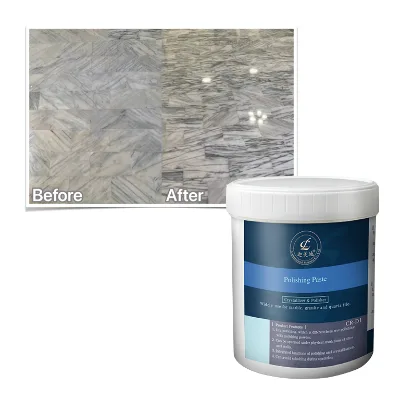
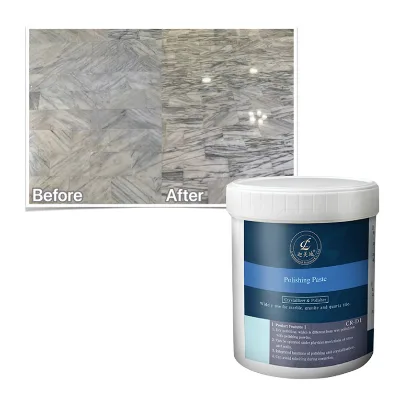
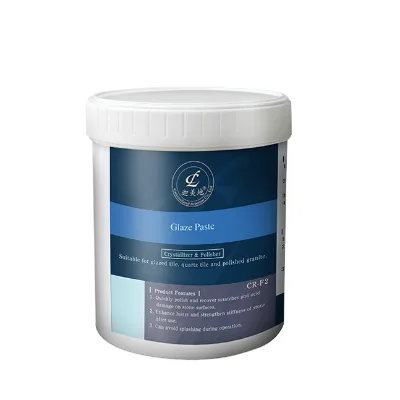
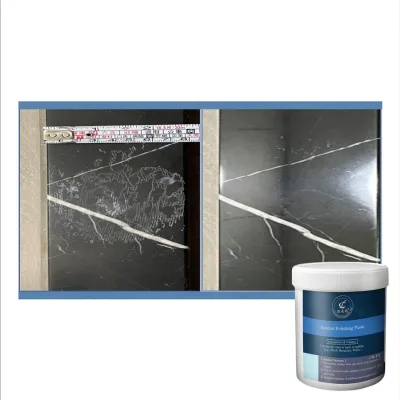
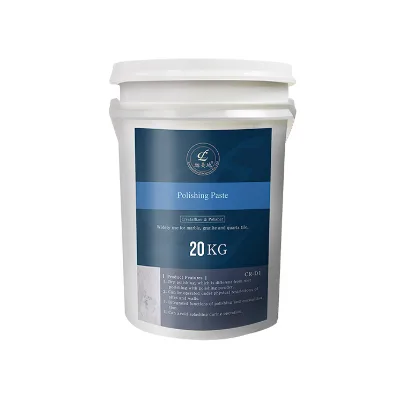
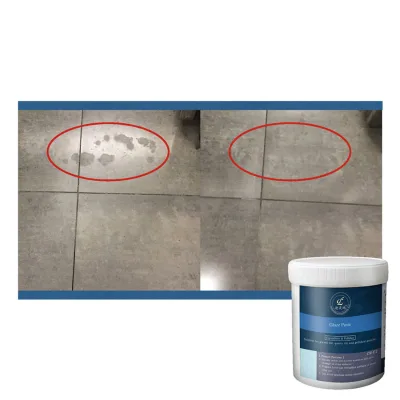


Comprehensive Sourcing Guide
Strategic Sourcing Guide for High Efficiency Stone Polishing Paste
Procuring high-efficiency stone polishing paste requires a nuanced understanding of abrasive technology, material compatibility, and supply chain reliability. The market for diamond-based polishing compounds is vast, ranging from fine laboratory-grade pastes to heavy-duty industrial formulations. For buyers in the stone processing, construction, and manufacturing sectors, selecting the right product involves more than just comparing prices. It demands a rigorous evaluation of particle size distribution, binder consistency, and the specific application environment. This guide synthesizes available product data and industry standards to provide a structured approach for sourcing diamond polishing pastes that meet high-performance criteria without compromising on safety or quality.
Technical Specifications and Material Composition
The core of any high-efficiency polishing paste lies in its abrasive material and particle size distribution. In the context of stone polishing, diamond is the premier abrasive due to its exceptional hardness and cutting efficiency. The supplied data indicates that the primary material for these products is diamond, specifically identified as "Diamond Powder" or "Paste Material" containing diamond. A critical technical specification is the particle size, which directly dictates the finish quality. The observed market data lists a size range of 0.25 to 50 Micron. This wide spectrum allows buyers to select pastes for different stages of the polishing process, from initial grinding to final mirror finishing.
Furthermore, the classification of the diamond used is a vital technical differentiator. The data specifies that the diamond is "Artificial," which is standard for industrial polishing applications where consistent hardness and shape are required. Artificial diamonds offer superior control over grit size compared to natural stones, ensuring predictable wear rates and surface finishes. The paste itself is described as having a "White paste" appearance and is noted to be "Odorless," which are important sensory indicators for product quality and user safety. Buyers must verify that the paste formulation maintains a stable consistency, often described as a "Mixture" in broader contexts, ensuring that the diamond particles remain suspended evenly within the carrier medium.
Application Scope and Performance Characteristics
Understanding the specific application is essential for matching the right polishing paste to the job. The data highlights several distinct use cases, including "Stone polish," "Marble polish," and general "Sand Blasting, Grind, Polishing." This versatility suggests that high-efficiency pastes are designed to handle various stone types, from soft marbles to harder granites. The product attributes also list "High Hardness" as a key characteristic, which is intrinsic to the diamond abrasive and ensures the paste can effectively abrade tough stone surfaces without degrading quickly.
Different models within the product line cater to specific chemical needs. For instance, there are listings for "Polishing Paste," "Glaze Paste," and "Neutral Polishing Paste." The "Neutral" designation is particularly important for sensitive stone types that may react adversely to acidic or alkaline compounds. Additionally, the data mentions an "Insulator Cleaner" and products with "Non-irritating" properties, indicating that some formulations are designed for specialized cleaning or safety-critical environments. The "Selling Units" are often listed as "Single item," suggesting that buyers can purchase small quantities for testing or specific project needs before committing to bulk orders. The ability to customize the product, marked as "Available" or "Support" for OEM/ODM, allows manufacturers to tailor the paste for unique machinery or stone types.
Compliance, Standards, and Quality Verification
When sourcing industrial abrasives, verifying compliance with standards is non-negotiable. The supplied information references a "Grade Standard" of "Industrial Grade," which serves as a baseline for commercial viability. However, buyers must look beyond this generic label to ensure the product meets specific project requirements. The data lists "Diamond" as a product standard, but in a procurement context, this often refers to the material composition rather than a formal safety or quality certification. Buyers should explicitly request documentation regarding the purity of the diamond powder, as the data cites purity levels of "99.9%" and "99.99%." These figures represent the concentration of active abrasive material, which directly impacts the efficiency and longevity of the paste.
Safety and handling standards are equally critical. The observation that the product is "Odorless" and "Non-irritating" suggests compliance with basic occupational health standards, but buyers should verify if the product meets specific regional regulations for chemical handling. The "Shelf Life" is noted as "2 Years," a crucial factor for inventory management and cost control. Products with a defined shelf life ensure that the binder does not degrade over time, which could lead to inconsistent polishing results. Additionally, the "Standard" attribute mentions "Customization, Non-irritating, OEM/ODM, Spray," indicating that the product line may include various delivery formats. Buyers must confirm that the chosen format aligns with their application method, whether it involves manual application, machine spraying, or integration into automated systems.
Cost Drivers and Procurement Economics
The cost of high-efficiency stone polishing paste is influenced by several factors, including the purity of the diamond, the particle size distribution, and the packaging format. The observed price range in the market spans from $0.04 to $155,000, a vast disparity that reflects the difference between small sample units and large industrial bulk orders. The minimum order quantity (MOQ) ranges from 1 to 500 units, offering flexibility for both small workshops and large-scale manufacturers. Buyers should be aware that higher purity levels (e.g., 99.99% vs. 99.9%) and finer particle sizes (e.g., 0.25 micron) typically command a premium price due to the advanced manufacturing processes required.
Packaging also plays a significant role in the total cost. The data lists various packaging options, including "5g/10g/50g/PC," "Syringes," "Boxes," "Cartons," and "Plastic Bag+Carton." For large-scale operations, bulk packaging like "50 Kg/barrel" or "Wooden Box" is more economical, reducing the per-unit cost and minimizing waste. However, the choice of packaging must balance cost with product integrity; diamond pastes require protection from moisture and contamination to maintain their efficacy. The "Place of Origin" is listed as "China Henan," "Taiwan, China," "Guangdong, China," and "Zhejiang, China," indicating a concentrated supply chain in specific regions. Buyers should consider logistics costs associated with these locations, as well as the "Port of dispatch" (e.g., KEELUNG), which can affect delivery timelines and shipping expenses.
Supplier Evaluation and Supply Chain Reliability
Evaluating suppliers requires a focus on their ability to deliver consistent quality and support customization needs. The data indicates that "OEM/ODM" support is available, a strong indicator of a supplier's flexibility and manufacturing capability. This is particularly important for buyers who require branded products or specific formulations for their machinery. The "Automation" and "CNC" attributes suggest that some suppliers utilize advanced manufacturing equipment, which can enhance consistency and reduce human error in production.
Geographic location is a key factor in supplier evaluation. The presence of suppliers in "China Henan," "Guangdong," and "Zhejiang" suggests a robust manufacturing ecosystem, but buyers should verify the specific capabilities of each facility. The "Condition" of the equipment used in production is listed as "New," which implies modern manufacturing practices. However, buyers must also assess the supplier's track record for meeting delivery schedules and handling quality issues. The "Model No." variations, such as "Xinrui-Paste," "CL-CR-D1," "CL-CR-F2," and "CL-CR-D2," indicate a diverse product portfolio. A reliable supplier should be able to provide detailed technical data sheets for each model, explaining the specific use cases and performance characteristics.
Quality Control and Long-Term Procurement Strategy
Implementing a robust quality control (QC) process is essential for maintaining the efficiency of stone polishing operations. Buyers should establish clear acceptance criteria based on the technical specifications provided, such as particle size (0.25 to 50 Micron), purity (99.9% or 99.99%), and physical appearance (White paste). Regular testing of incoming batches is recommended to ensure that the diamond concentration and binder stability remain consistent. The "Shelf Life" of 2 years provides a window for testing, but buyers should monitor storage conditions to prevent degradation before use.
For long-term procurement, building a strategic relationship with suppliers who offer customization and OEM/ODM services is advantageous. This allows for the development of proprietary formulations that can give a competitive edge in the market. The "Characteristics of Natural Diamond" and "Classification of Diamond" data points remind buyers that the quality of the abrasive is paramount. While the data specifies "Artificial" diamond, the performance characteristics should mimic or exceed natural standards in terms of compressive strength and hardness. Buyers should also consider the "Grinding Machine Type," such as "Barrel Polishing Machine," and ensure that the selected paste is compatible with their existing equipment. The "Control" systems, often "CNC," require pastes that can be precisely dosed and applied, further emphasizing the need for high-quality, consistent products.
Comparative Analysis of Product Attributes
To facilitate decision-making, the following table summarizes key attributes observed in the market data, highlighting the variations available to buyers.
| Attribute Category | Specific Observation | Relevance to Procurement |
|---|---|---|
| Material | Diamond, Diamond Powder | Core abrasive; determines cutting efficiency. |
| Particle Size | 0.25 to 50 Micron | Defines finish quality; finer for polishing, coarser for grinding. |
| Purity | 99.9%, 99.99% | Higher purity generally correlates with better performance and cost. |
| Appearance | White paste, Odorless | Visual and sensory quality indicators; ensures safety. |
| Application | Stone polish, Marble polish, Sand Blasting | Matches product to specific stone types and processes. |
| Packaging | 5g-50g, Syringes, 50 Kg/barrel, Wooden Box | Impacts unit cost, storage, and application method. |
| Origin | China (Henan, Guangdong, Zhejiang), Taiwan | Influences logistics, lead time, and potential tariffs. |
| Customization | Available, OEM/ODM Support | Enables tailored solutions for specific machinery or brands. |
| Shelf Life | 2 Years | Critical for inventory planning and waste reduction. |
| Grade Standard | Industrial Grade | Baseline quality level for commercial applications. |
Conclusion
Sourcing high-efficiency stone polishing paste is a complex process that requires balancing technical specifications, cost considerations, and supplier reliability. The market offers a wide array of options, from small, single-item units to large industrial barrels, catering to diverse needs in the stone processing industry. Buyers must prioritize the verification of diamond purity, particle size, and compatibility with their specific machinery and stone types. By leveraging the available data on material composition, application scope, and supply chain details, procurement professionals can make informed decisions that enhance operational efficiency and product quality. Ultimately, the success of the procurement strategy depends on a thorough understanding of the product attributes and a commitment to rigorous quality control throughout the supply chain.
FAQs
What is the particle size range for high efficiency stone polishing paste?
The particle size ranges from 0.25 to 50 Micron depending on the specific model. This wide spectrum allows buyers to select pastes for different stages of the polishing process, from initial grinding to final mirror finishing on stone surfaces.
Which diamond classification is used in these industrial polishing pastes?
The products utilize artificial diamond classified as diamond powder for consistent hardness. Artificial diamonds offer superior control over grit size compared to natural stones, ensuring predictable wear rates and high-quality surface finishes during stone polishing operations.
Can buyers customize the polishing paste for specific machinery requirements?
Yes, customization is available with OEM and ODM support for tailored formulations. Buyers can request specific packaging formats like syringes or bulk barrels, and manufacturers can adjust the paste to match unique machinery or stone types effectively.
How long is the shelf life of the high efficiency stone polishing paste?
The product has a shelf life of 2 years when stored correctly. This duration ensures the binder does not degrade over time, allowing for consistent polishing results and effective inventory management for both small workshops and large-scale manufacturers.
What purity levels are available for the diamond powder in the paste?
Available purity levels include 99.9% and 99.99% for the active abrasive material. Higher purity generally correlates with better performance and cost, directly impacting the efficiency and longevity of the paste during industrial stone processing applications.
Which packaging options are offered for bulk and sample orders?
Packaging options range from small units like 5g or 10g to bulk 50 Kg barrels. Buyers can choose from syringes, boxes, cartons, or wooden boxes, balancing cost with product integrity to prevent moisture contamination and maintain efficacy.